Fall home tasks that actually matter — and what it could cost if you skip them
From frozen pipes to chimney fires, there are things you can prevent if you tackle these cold weather chores now.

4 fall home tasks that actually matter – and the costs if you skip them
From leaf peeping to apple picking, fall brings a variety of exciting activities. But with so much to enjoy about the season, it’s easy to let home maintenance slide by.
Autumn signals the coming of colder months, and most fall checklists include an undifferentiated list of chores. Which tasks are simple upkeep, and which could turn into a five-figure problems if skipped?
What separates the tasks below from the rest of the checklist isn't effort — it's what happens if you don't complete them, and the deadline - which isn't just a date on the calendar. It's the first cold snap, which arrives at different times depending on where you live, and it doesn't wait for a free weekend.
Clear out your gutters
Gutter cleaning gets treated as the definitional fall chore, which undersells what's at stake. The real risk isn't the gutter itself, it's an ice dam: a ridge of ice that forms at the roof's edge and forces melting snow to back up under the shingles instead of draining off the roof.
Ice dams are not primarily caused by clogged gutters, but clogged gutters make the problem worse. Ice dams are caused by heat escaping from the attic, warming the roof deck unevenly so snow melts higher up and then refreezes. A clogged gutter makes the standing water problem worse once an ice dam has already formed.
Once water gets under shingles, it can travel into insulation, drywall, and ceilings before it's ever visible from outside. Removal of an ice dam alone runs about $1,200 on average, but that's the cheap outcome. Insurance data shows average claim payouts around $8,000 per incident, and cases involving saturated insulation or structural rot can run well beyond that.
Get More of Our News on Google
Set The Weather Company as a 'Preferred Source' to get quicker access to the news you value.

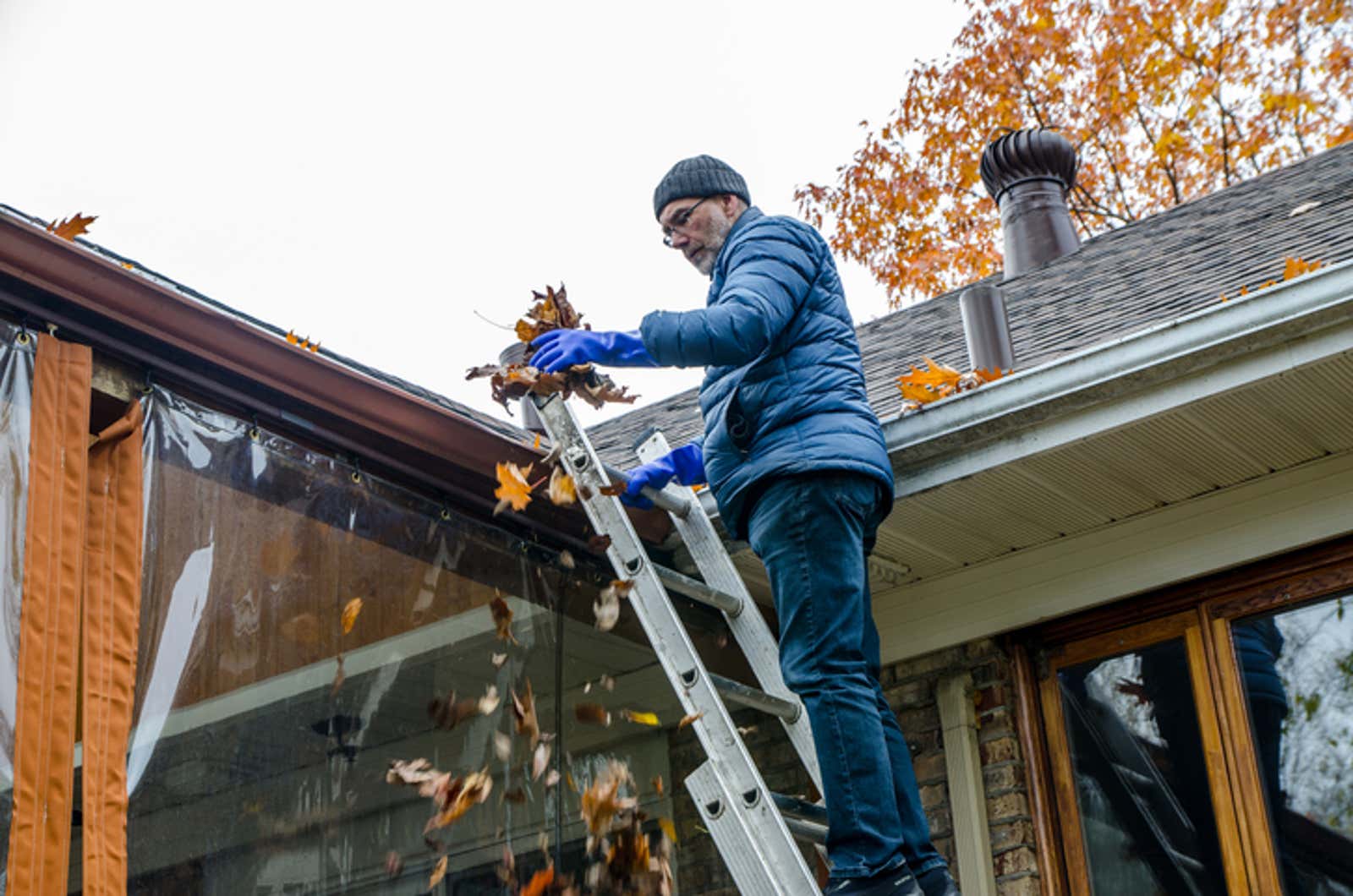
Man in ladder removing autumn leaves from gutter
(Marc Dufresne via Getty Images)
Insulate exposed pipes and disconnect hoses
The task itself is simple: drain and store garden hoses, and wrap exposed pipes – especially in crawl spaces, garages, and exterior walls – with insulation sleeves.
Skipping it can be costly. When water in a pipe freezes, it doesn't just block flow, ice expands and builds pressure between the blockage and a closed faucet, and that pressure causes the pipe to burst.
Once a pipe bursts, water can run for hours before anyone notices, soaking into walls, flooring, and insulation. Average repair costs, including water damage restoration, mold remediation, and structural repairs, run over $10,000.
Water damage from frozen pipes is consistently cited by insurers as one of the most expensive categories of homeowner claims, behind only major catastrophic events like hurricanes and tornadoes.
The other reason this task can't slip: most policies don't cover freeze damage if the home wasn't reasonably maintained, so a homeowner who skipped this step may end up fighting their insurer over the claim.
(MORE: When can you stop mowing?)
Get your furnace serviced before you need it
A pre-season furnace tune-up – filter change, burner inspection, safety checks – typically runs $70 to $200, depending on the contractor and system.
The cost to fix it when it fails isn't even close. Furnaces tend to fail the same way: idle all summer, then pushed to full capacity the moment temperatures drop — exactly when a dirty flame sensor, a cracked ignitor, or a strained blower motor gives out.
When that happens, it's usually after hours, during the first cold snap. Emergency and after-hours HVAC labor runs $150 to $215 an hour, two to three times the standard daytime rate, and that’s before parts are even factored in.
(MORE: The $150 now that could save a $500 emergency)
Sweep the chimney
This is the task most likely to get skipped entirely if a fireplace isn't used often, and it's the one with the clearest safety stakes of the four. A professional chimney sweep costs $130 to $380 (averaging around $250).
Creosote — a byproduct of wood combustion that coats the inside of a chimney flue — is combustible on its own, and it ignites at temperatures a working fireplace can easily reach.
An estimated 25,000 chimney fires occur annually in the US, totalling nearly 125 million dollars in property loss. Chimney fire damage can run anywhere from $450 to $5,500 or more, depending on how far the fire spreads beyond the flue itself.
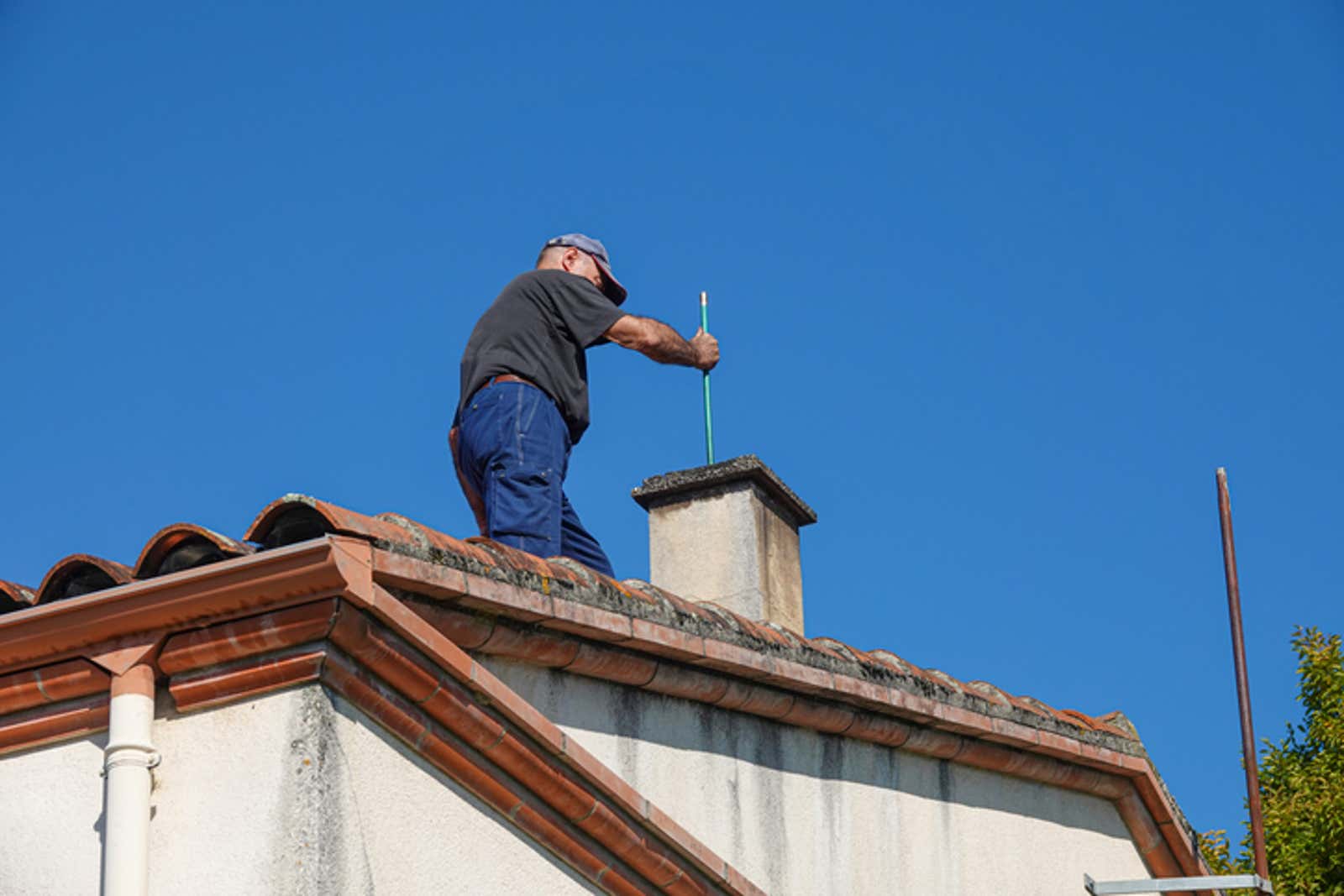
A person works on a chimney atop a house.
(Iryna Dobytchina via Getty Images)
So skip the extensive fall checklist that eats a whole weekend, and stick to the tasks that will actually cost you if you don't.
Loading comments...