Don't miss these warning signs if you rely on well water
If you've noticed a change in your drinking water, it might be worth looking at the level of your well.

Warning signs your well water is running dry — and how to fix it
More than one in ten Americans rely on private wells, and research suggests millions of wells worldwide could run dry if water tables drop even a few feet.
Millions are still on well water, especially in the East and Great Lakes. New York, Pennsylvania, Ohio, Michigan and North Carolina have the most well users.
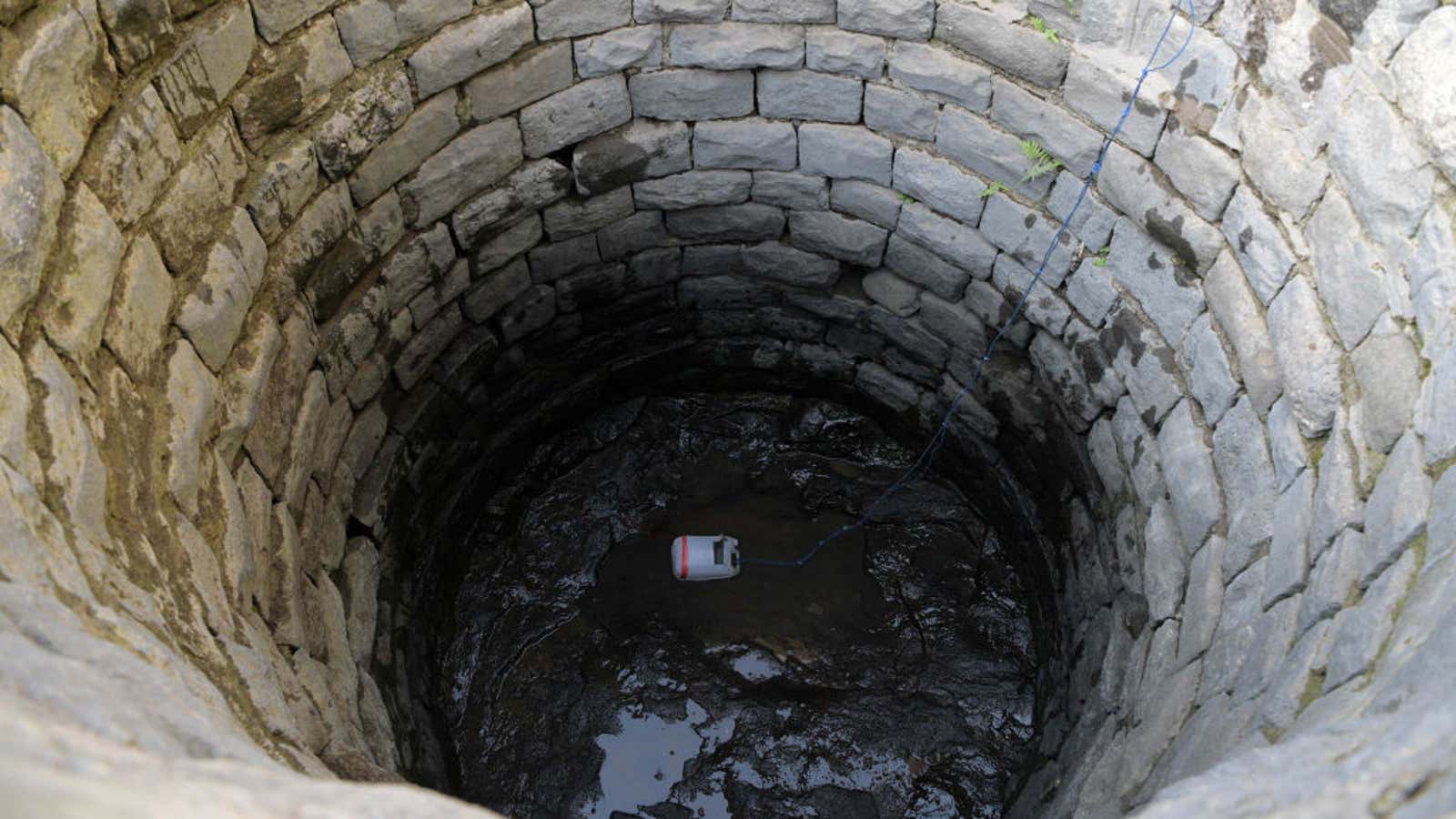
(Bachchan Kumar/Hindustan Times via Getty Images)
Meanwhile water usage is growing as populations rise and warming temperatures are drying up more water.
The leading issue is that many wells aren't built deep enough to begin with. Extended drier weather or geography can put those wells above the water table. Up to 20% of wells studied in 40 countries may be in trouble of drying up.
Drying wells tend to hit lower-income communities harder because drilling deeper wells can be especially costly.
(WATCH: How to stop leaking money during a drought)
Get More of Our News on Google
Set The Weather Company as a 'Preferred Source' to get quicker access to the news you value.

Knowing when your well is too low
Cloudy or sandy water with an earthy smell or taste is evidence that the well has dropped low enough to pick up bottom-dwelling sediment. Sputtering faucets or low water pressure can be additional signs.
If your well is running dry, check for leaks and slow your water use.
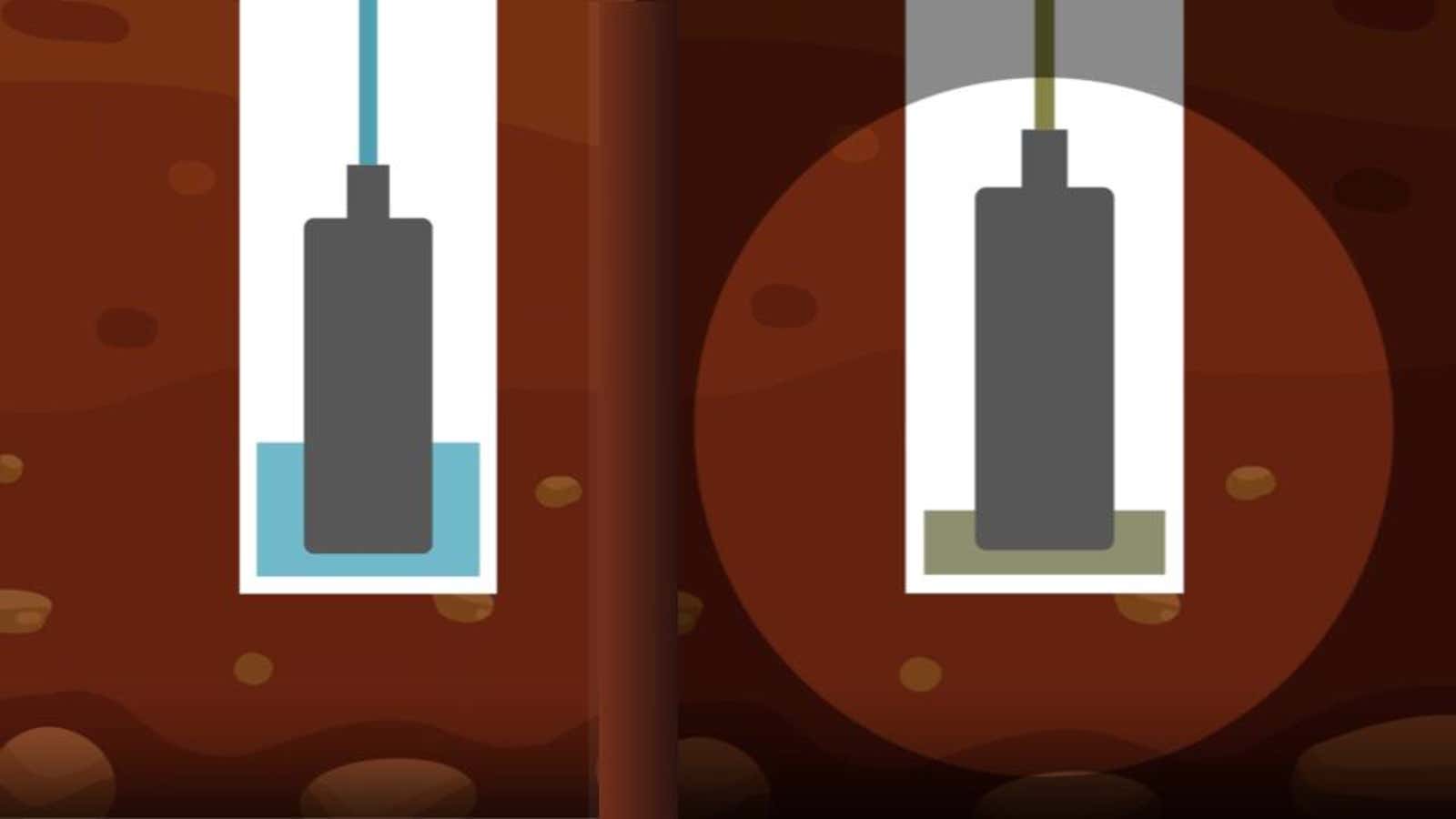
Comparison of two underground wells, one with blue, clean water and a drier well with cloudy, less clean water.
(Illustrated by Madie Homan)
Your electric bill can creep up, too, since the pump has to run longer to pull what water is left. When you see this happen, turn off your pump for a while and use an alternative water source. Replacing a burned out pump can be more costly than the short-term sourcing for other water.
Rain barrels can be a short-term alternative for flushing toilets and filling sinks and bathtubs and can also be used in your gardens. You can get these installed around your home before you need them if you watch drought conditions or our monthly outlooks.
(MORE: Winter temperature and precipitation outlook)
In the case of a declared drought, some county-level offices may run emergency water distribution programs.
If you're in an area with extended periods of drier weather, it may be advantageous to build a storage tank for water to collect in during the wetter season for your area. A storage tank lets a slow-recovering well refill it gradually, so you can keep using water normally even when the well produces less.
If this is a repeated issue, you may have to lower your pump or deepen your well.
When water levels in the well begin to rise again, make sure it returns to a clearer appearance and test the water to make sure chemical and bacteria levels have returned to normal.
Loading comments...