Hurricane season maps tracker: cones, water temperatures and more
The maps you need to monitor the tropics, including Tropical Storm Isaias in the Atlantic and Rachel in the Pacific.


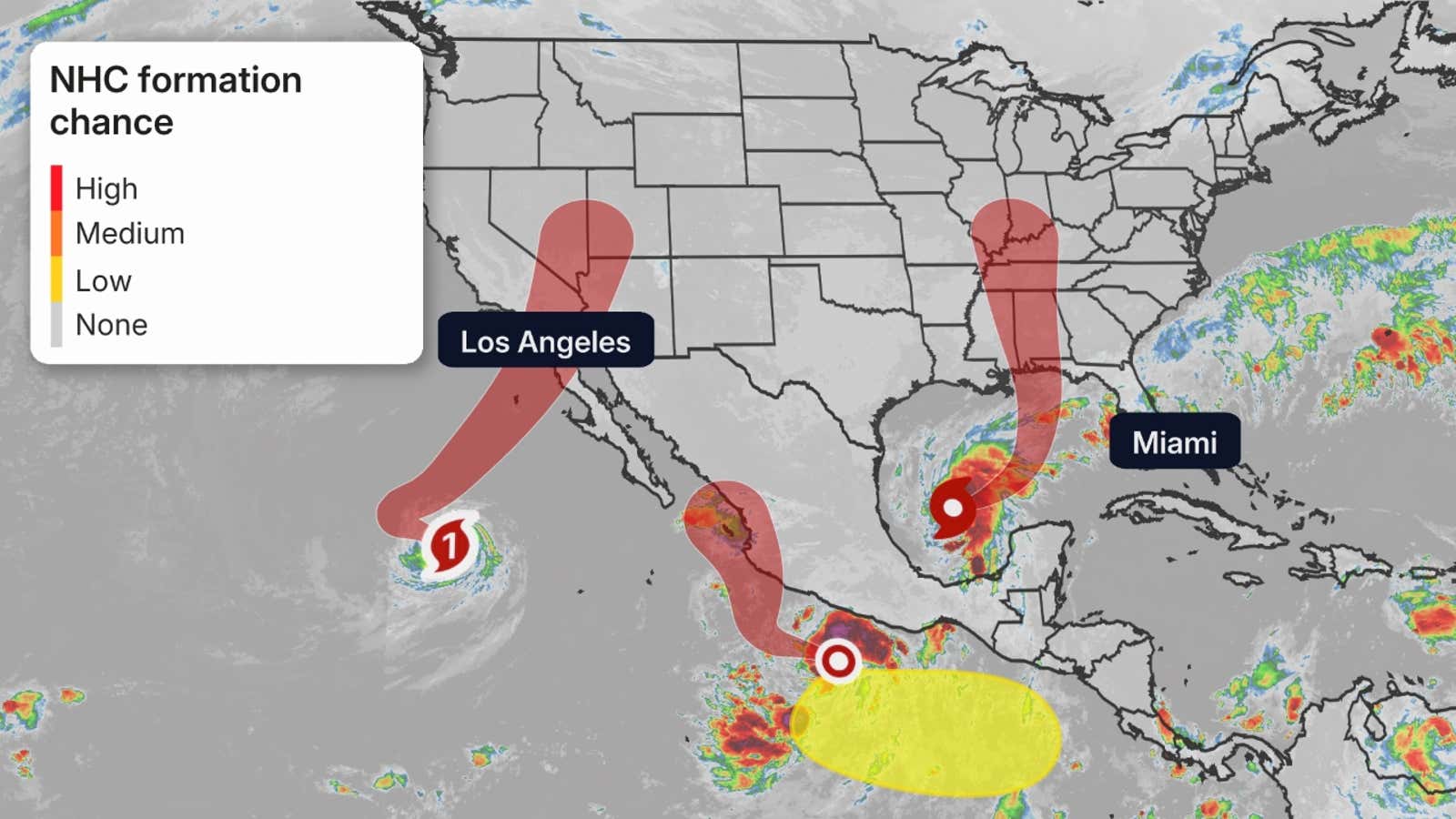
Hurricane season has reawakened in the Atlantic with Tropical Storm Isaias while the Pacific's Hurricane Rachel is set to approach Mexico as a much weaker system. Tropical Depression Twenty-E also has formed in the East Pacific and will impact western Mexico.
We have the maps you need to track all these systems below, starting with the Atlantic side.
Tracking the Atlantic
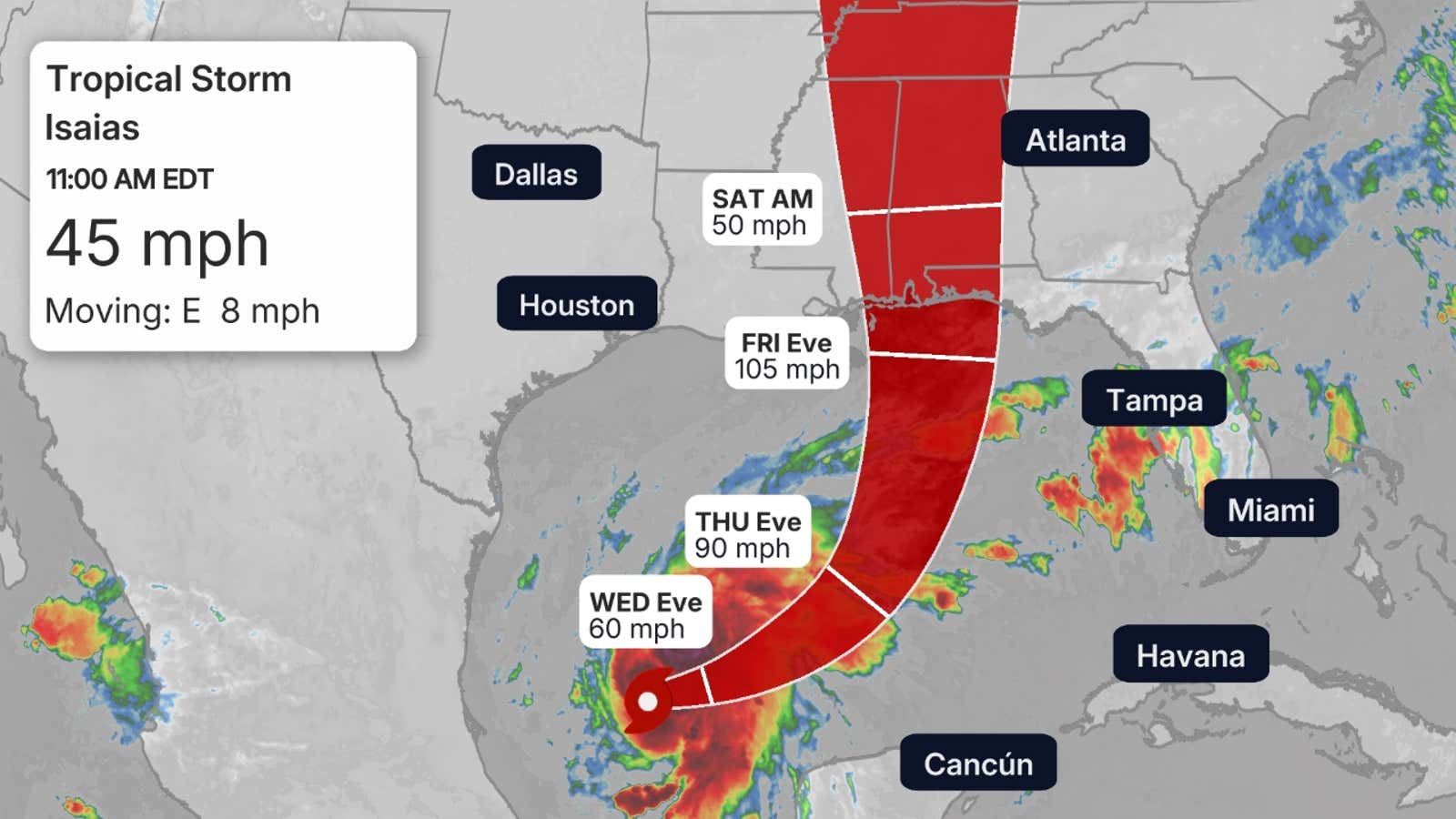
(MORE: Hurricane Isaias could form later this week)
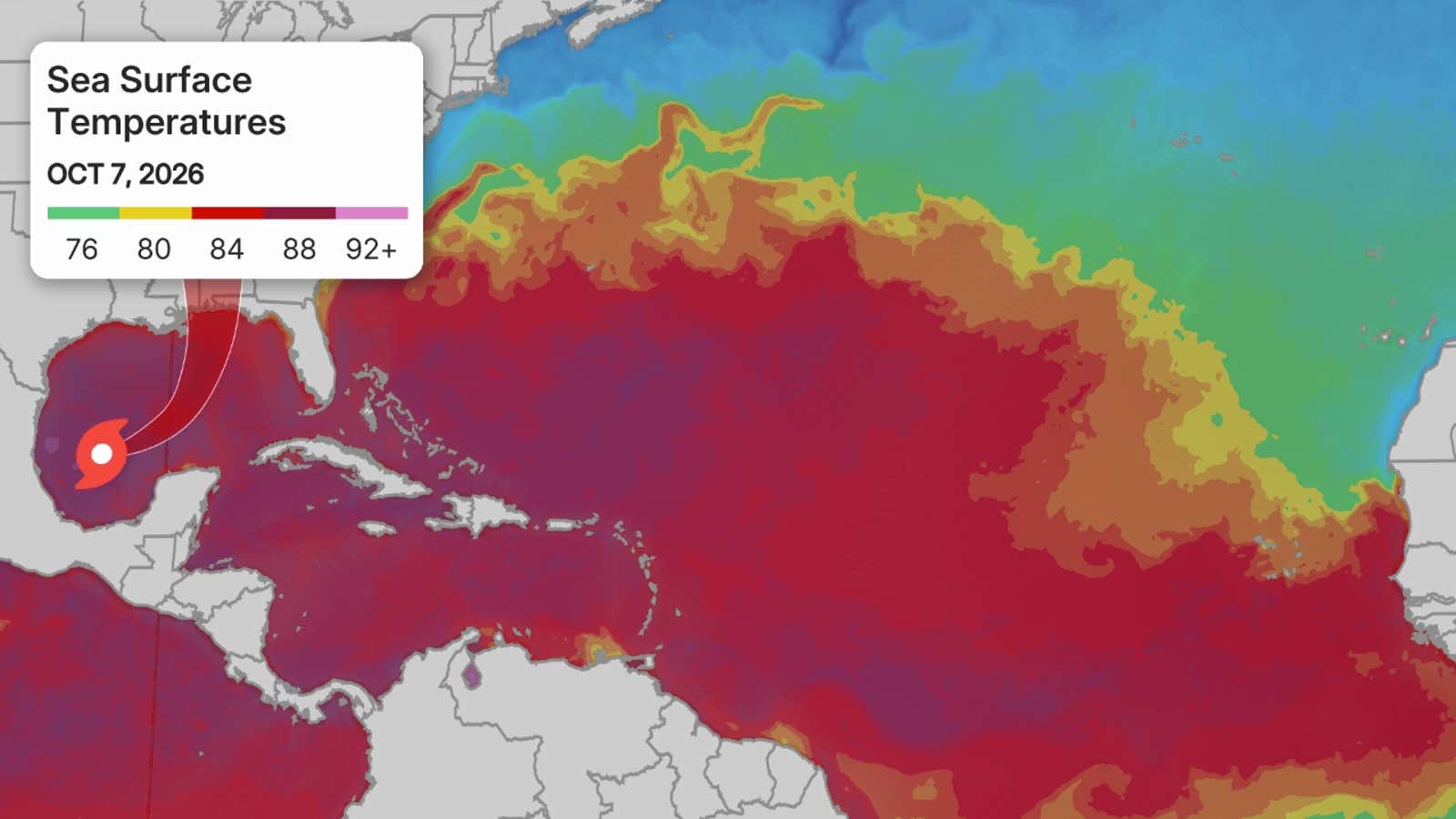
Sea surface temperatures
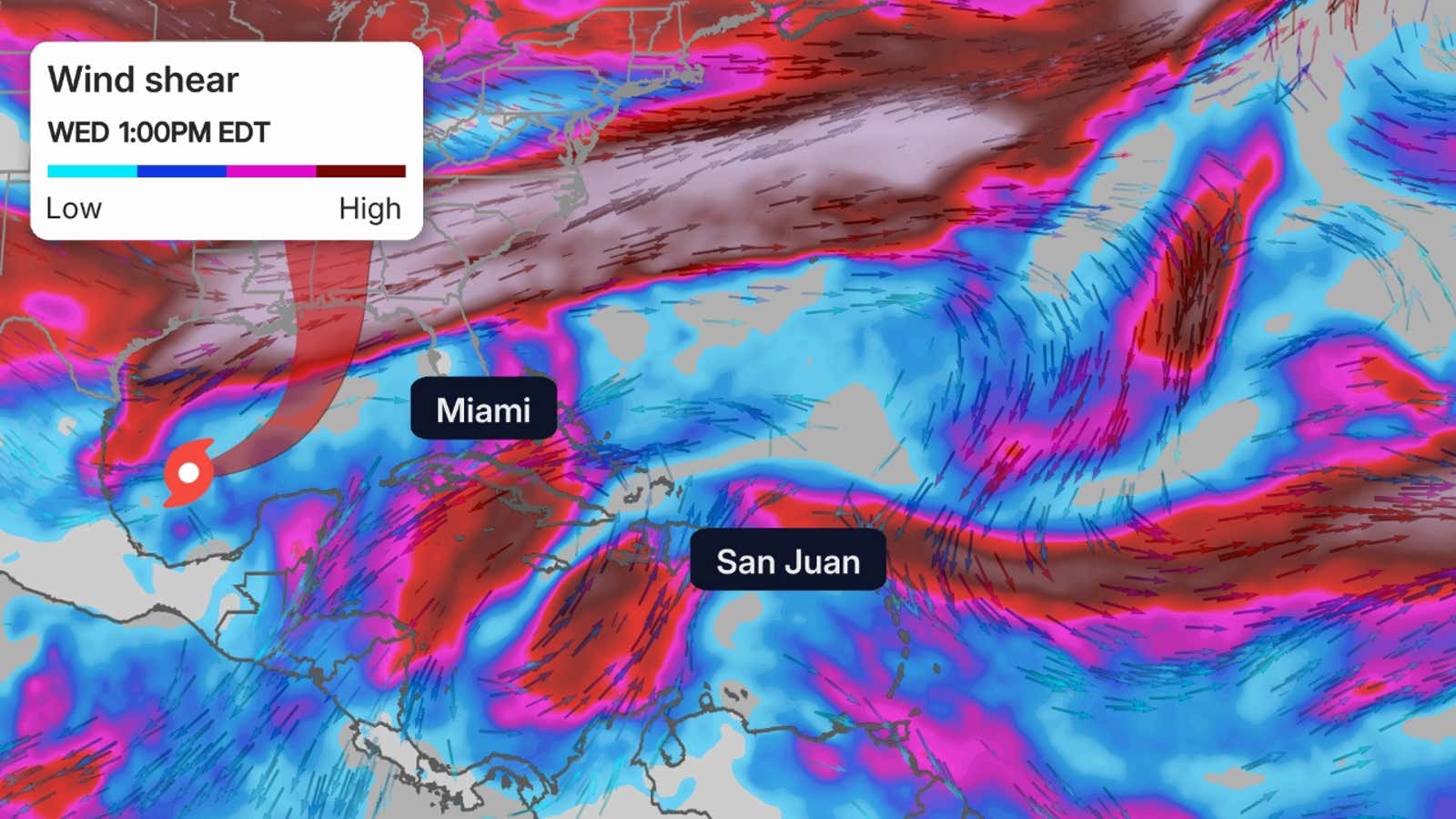
Wind shear
These are areas of strong wind shear, the difference in wind speed and direction with height, which are shown in purple. High wind shear is hostile to mature tropical cyclones and those trying to develop.
Get More of Our News on Google
Set The Weather Company as a 'Preferred Source' to get quicker access to the news you value.

(MORE: What is wind shear?)
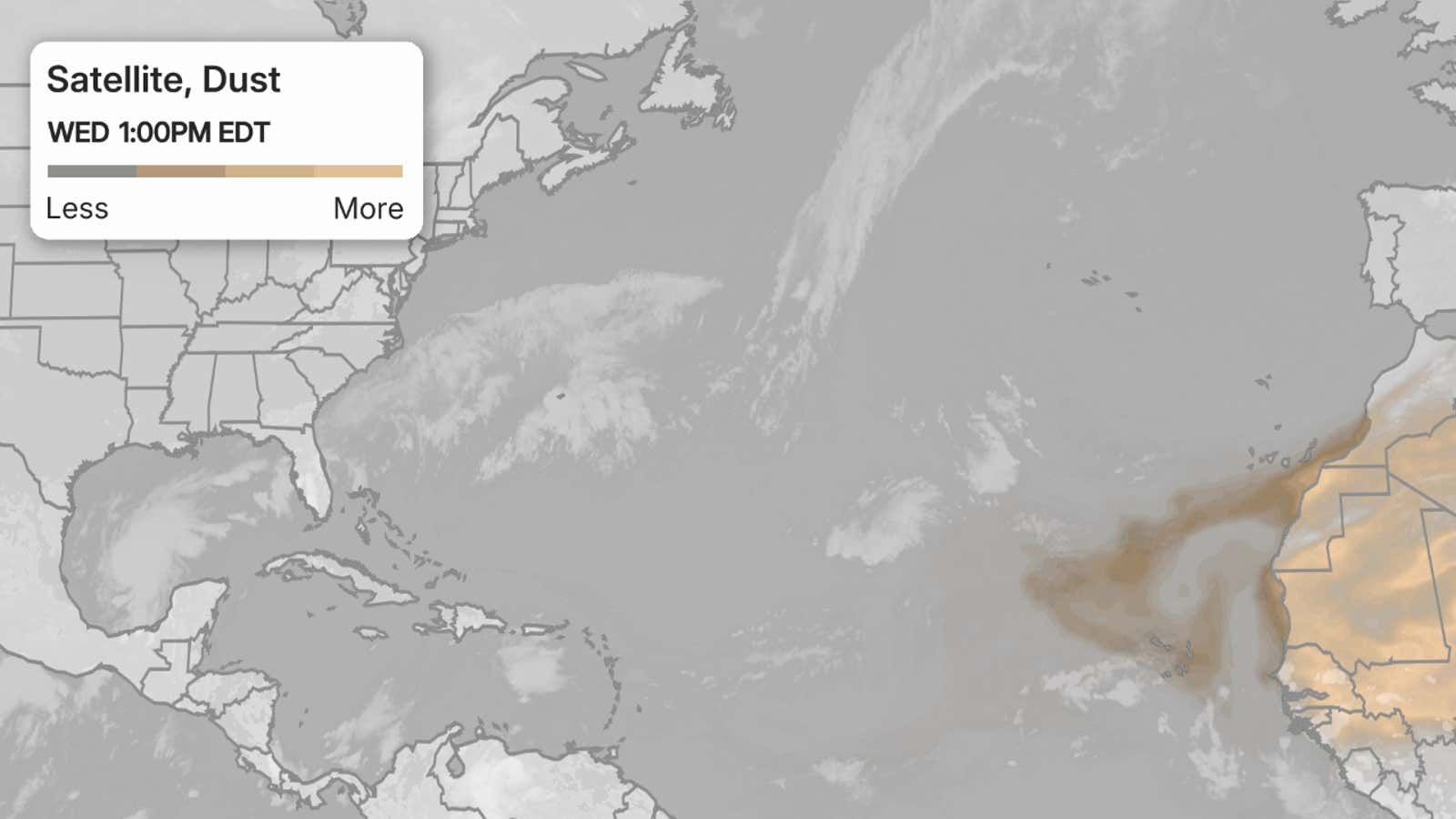
Dry, dusty air
Another nemesis of tropical systems is dry air.
In hurricane season, plumes of dust-laden air stream across the basin from Africa's Sahara Desert, as you can see in the map below. This sinking, dry air squelches thunderstorm development, the building blocks of tropical storms and hurricanes.
So areas in the brown shading below are generally unfavorable for development.
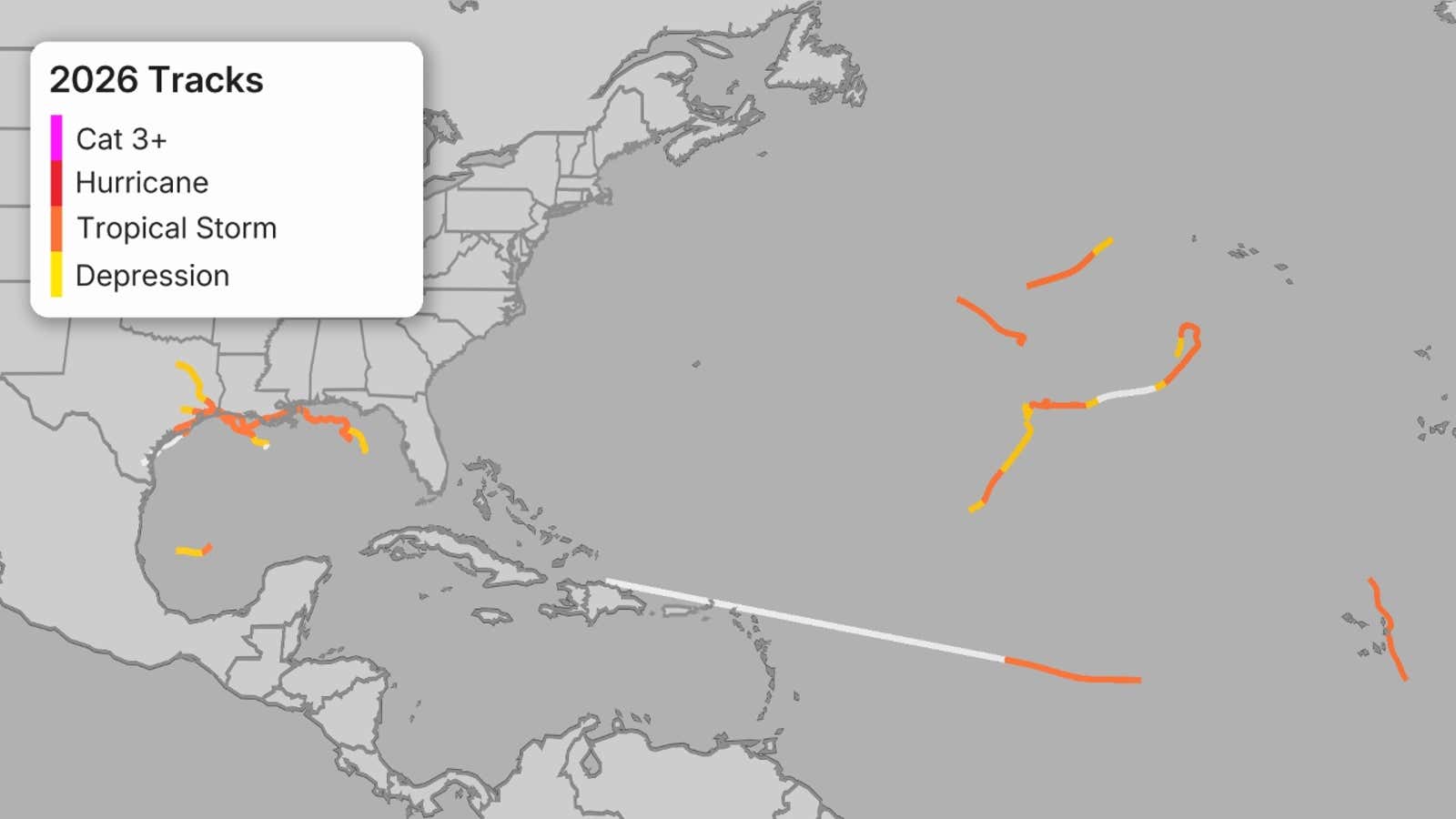
Atlantic tracks so far this season
These are the tracks of systems that were at least tropical or subtropical storms, so far in the Atlantic Basin.
Tracking the Pacific
Hurricane Rachel
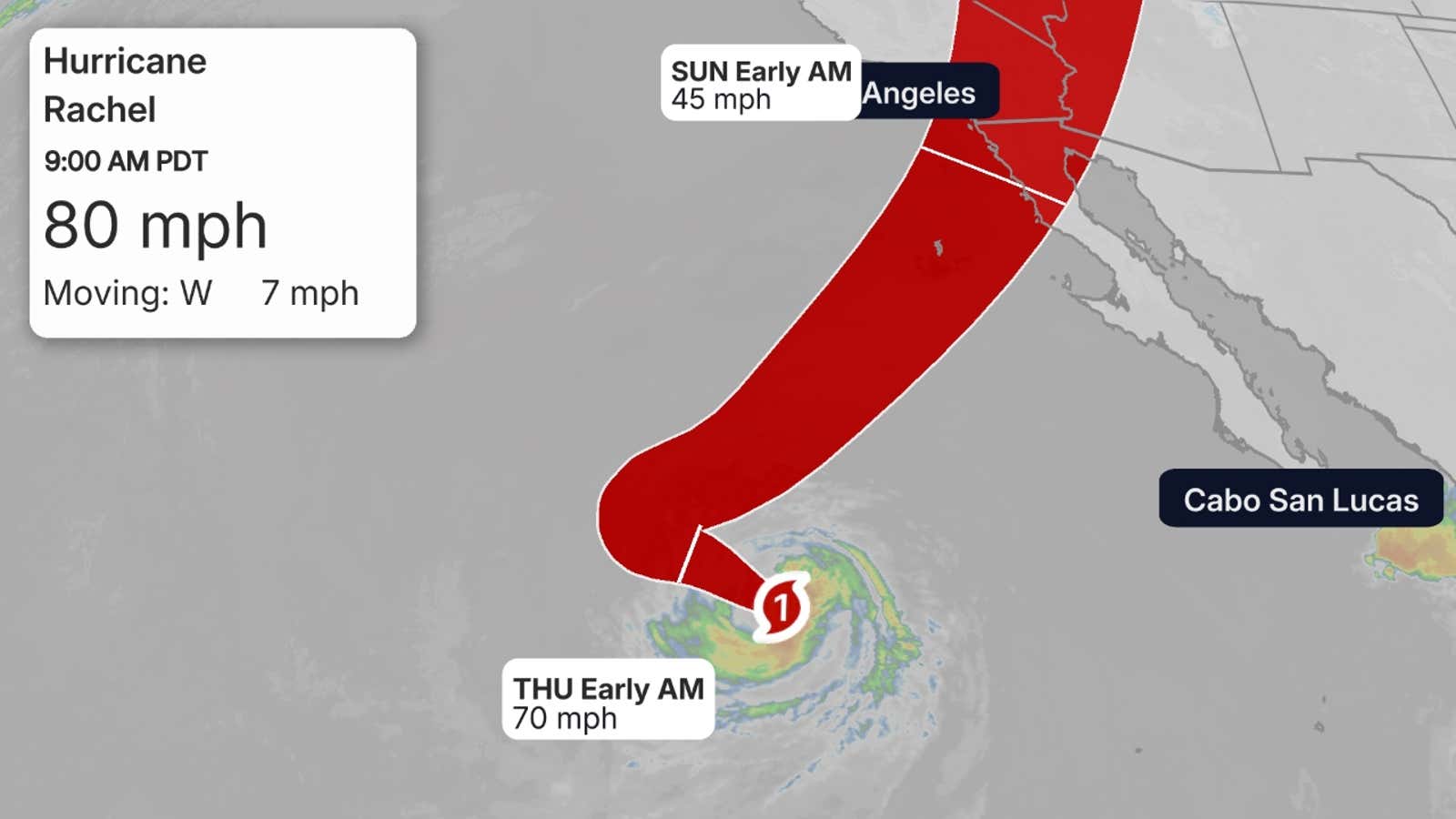
Tropical Depression Twenty-E is also expected to affect Mexico's west coast as a hurricane on Sunday and Monday.
Sea surface temperatures
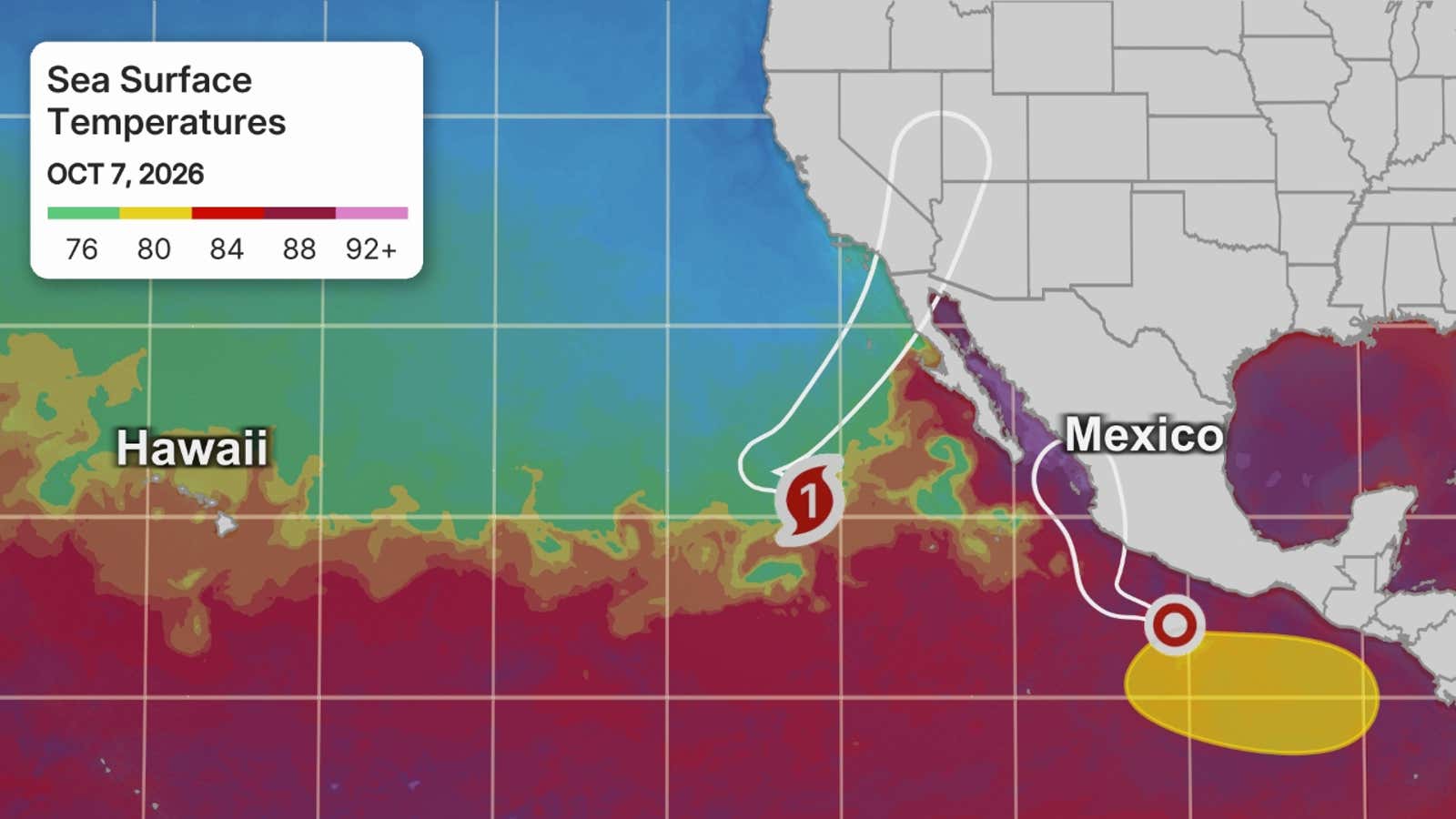
Pacific tracks so far this season
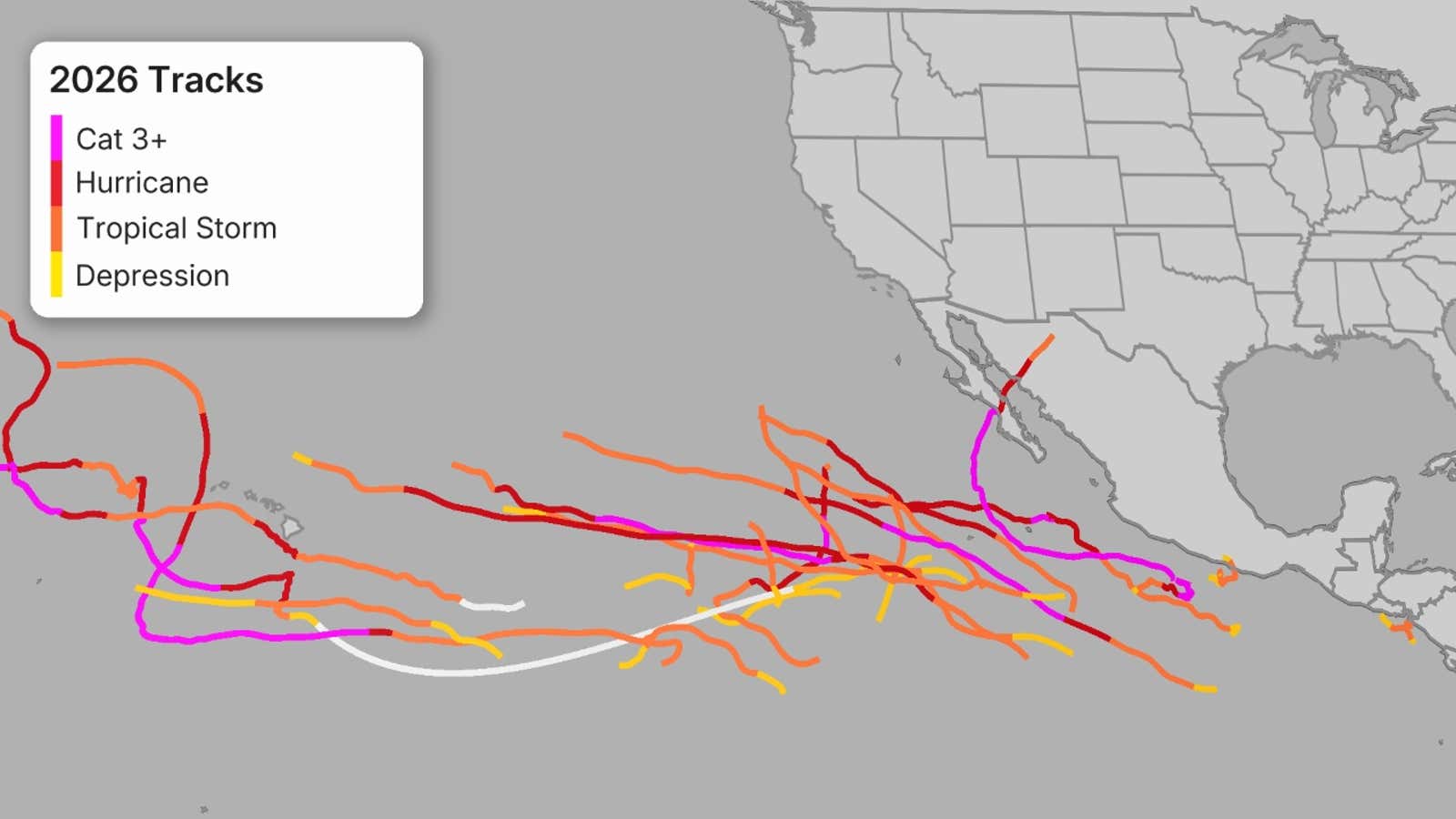
Season activity compared to average
Accumulated Cyclone Energy, or ACE, is a metric that measures the total energy produced by tropical storms and hurricanes over a given period, accounting for both how strong they were and how long they lasted.
It's another measure meteorologists use to gauge how active a hurricane season has been.
As you can see below, it has been a historically quiet Atlantic season, while the Pacific — especially the Eastern Pacific — has been much more active than usual.
(MORE: Complete El Niño coverage)
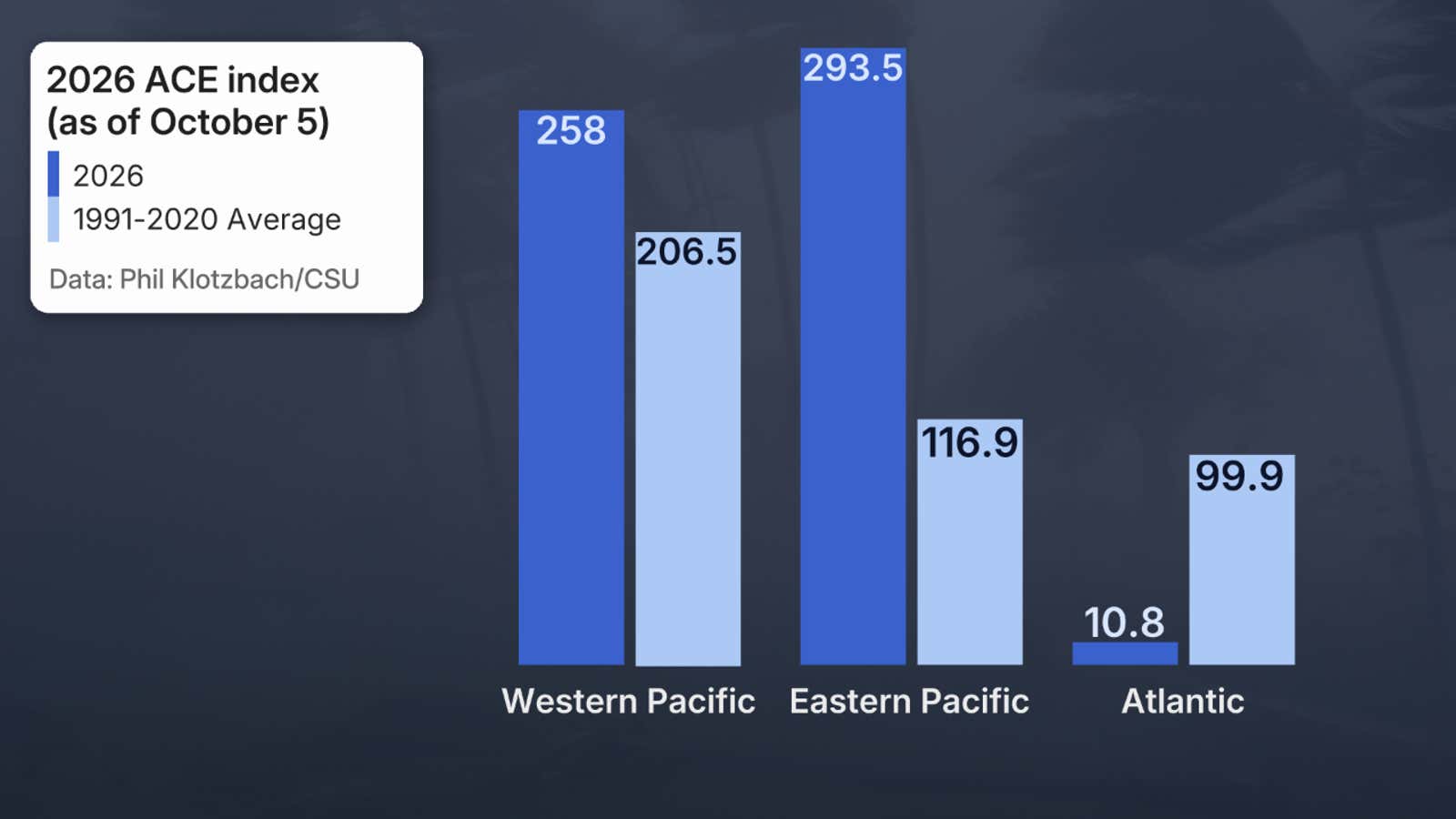
Accumulated Cyclone Energy, or ACE, is a metric that measures total energy produced by tropical storms and hurricanes over a given period, accounting for both how strong they were and how long they lasted.
(Data: Phil Klotzbach/CSU)
Loading comments...