Space
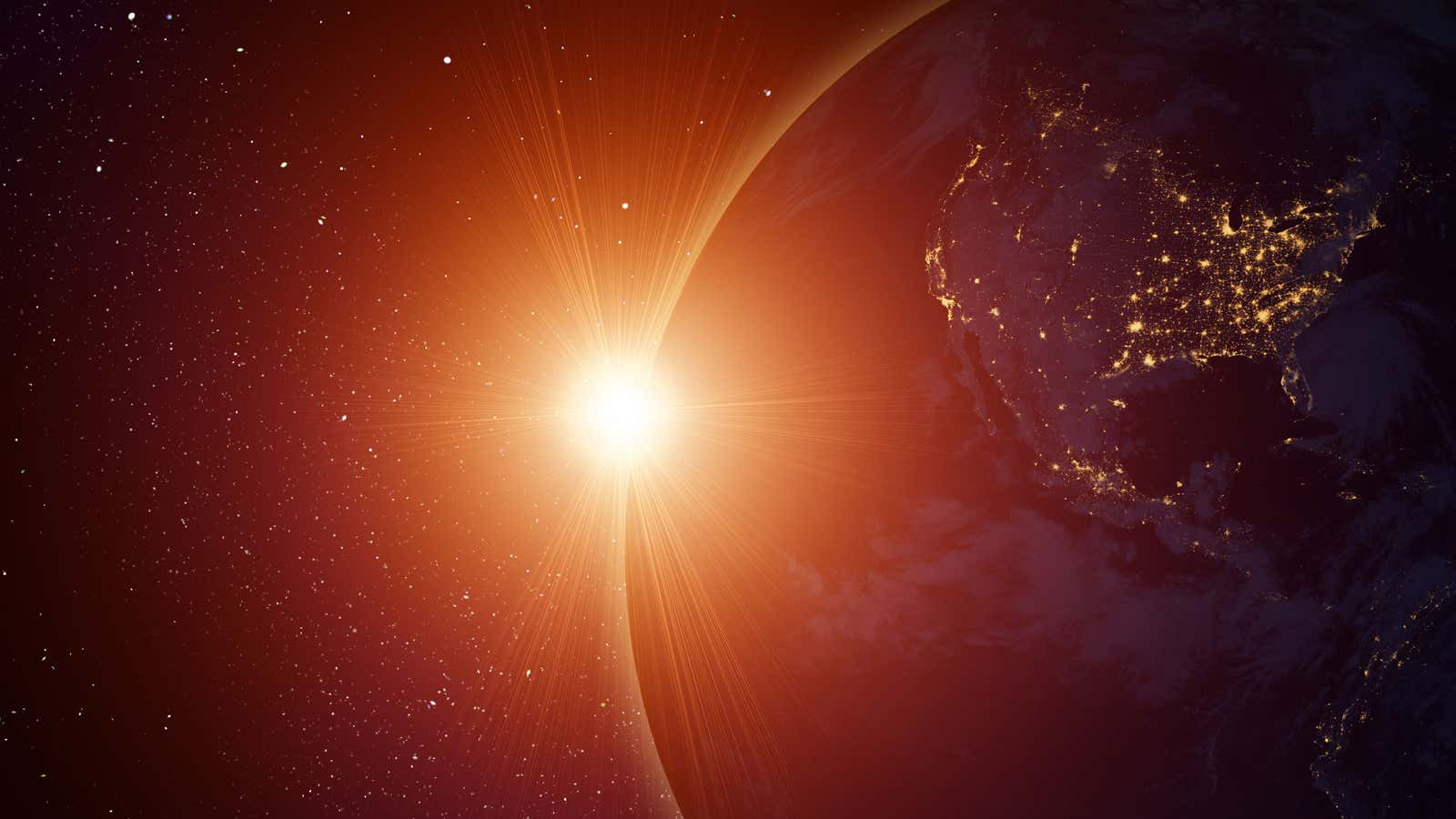
How a solar storm could drastically affect life on Earth
14 hours ago
This expert breaks down some space weather from the tiniest, practically unnoticeable storms to a global catastrophe.
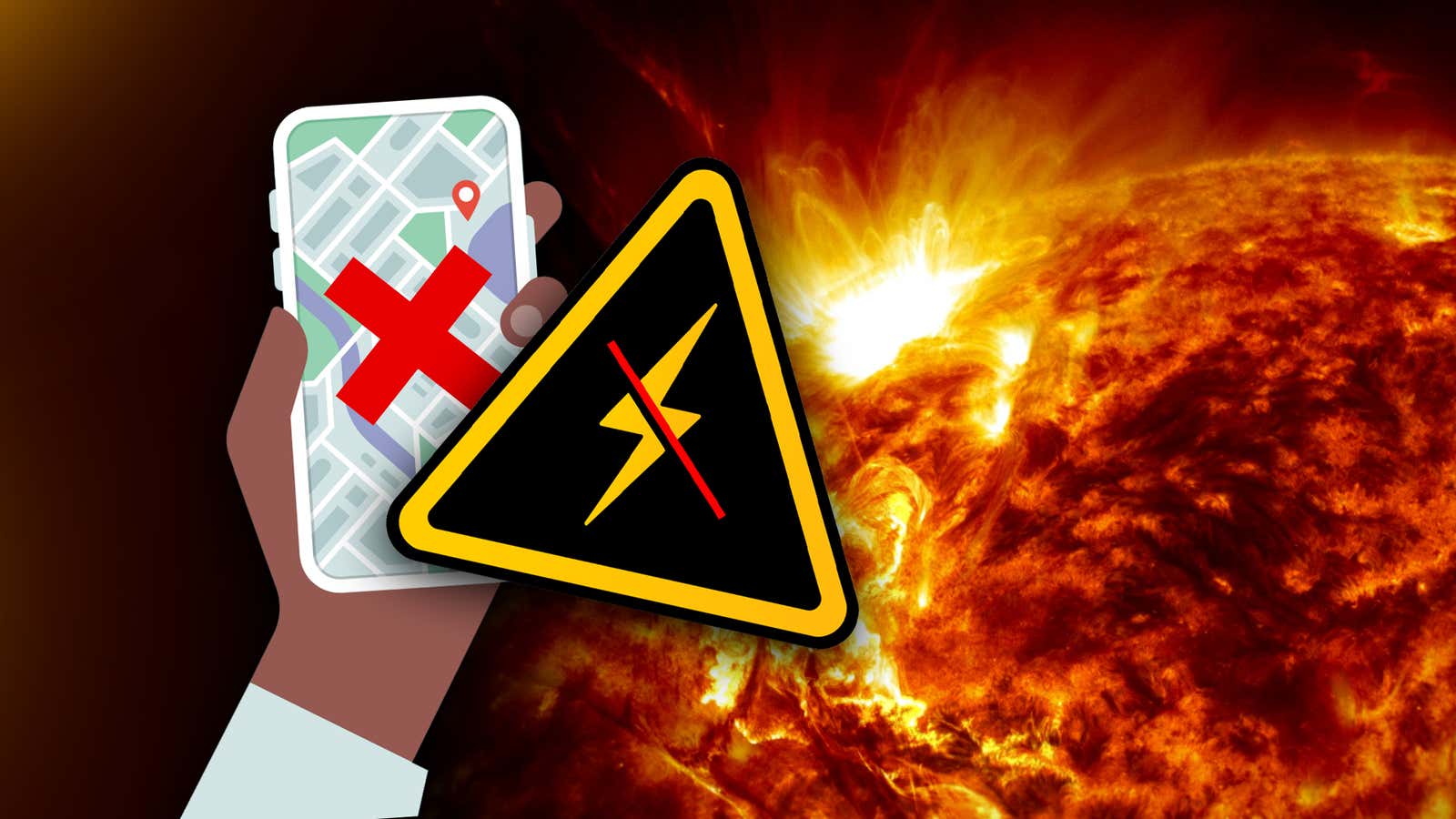
How a major solar storm could knock out GPS and power grids
14 hours ago
Solar storms send charged particles toward Earth that can disrupt GPS navigation, military and emergency radios, and the electrical grid, an expert says. Andrew Gerrard of the New Jersey Institute of Technology says most storms are a minor nuisance, but a Carrington-level event could take a decade to recover from. A 1989 storm knocked out Quebec’s power grid, and in 2012 a storm on the scale of the historic 1859 Carrington Event missed Earth by nine days.
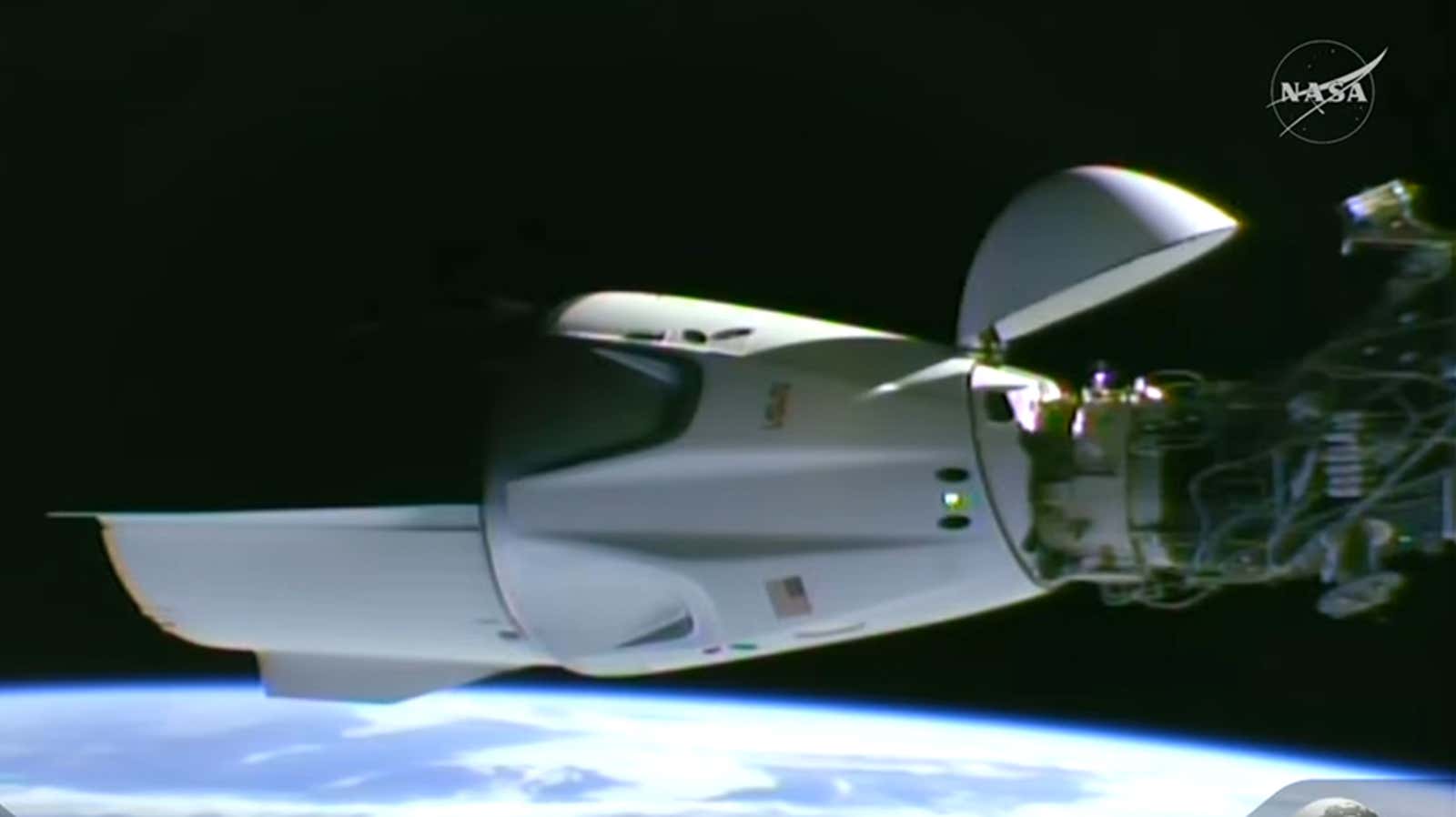
SpaceX sets speed record in latest trip to space station
5 days ago
The flight to the International Space Station was the quickest yet for any American entity, including NASA.
Don’t Miss The Sun Turning Into Devil Horns On March 29
7 days ago
The sun will take on the appearance of devil horns or a Cheshire Cat grin on Saturday, March 29, as a partial solar eclipse occurs at sunrise. The eclipse will be visible from eastern Canada and the northeastern U.S. Don’t forget your certified eclipse glasses!
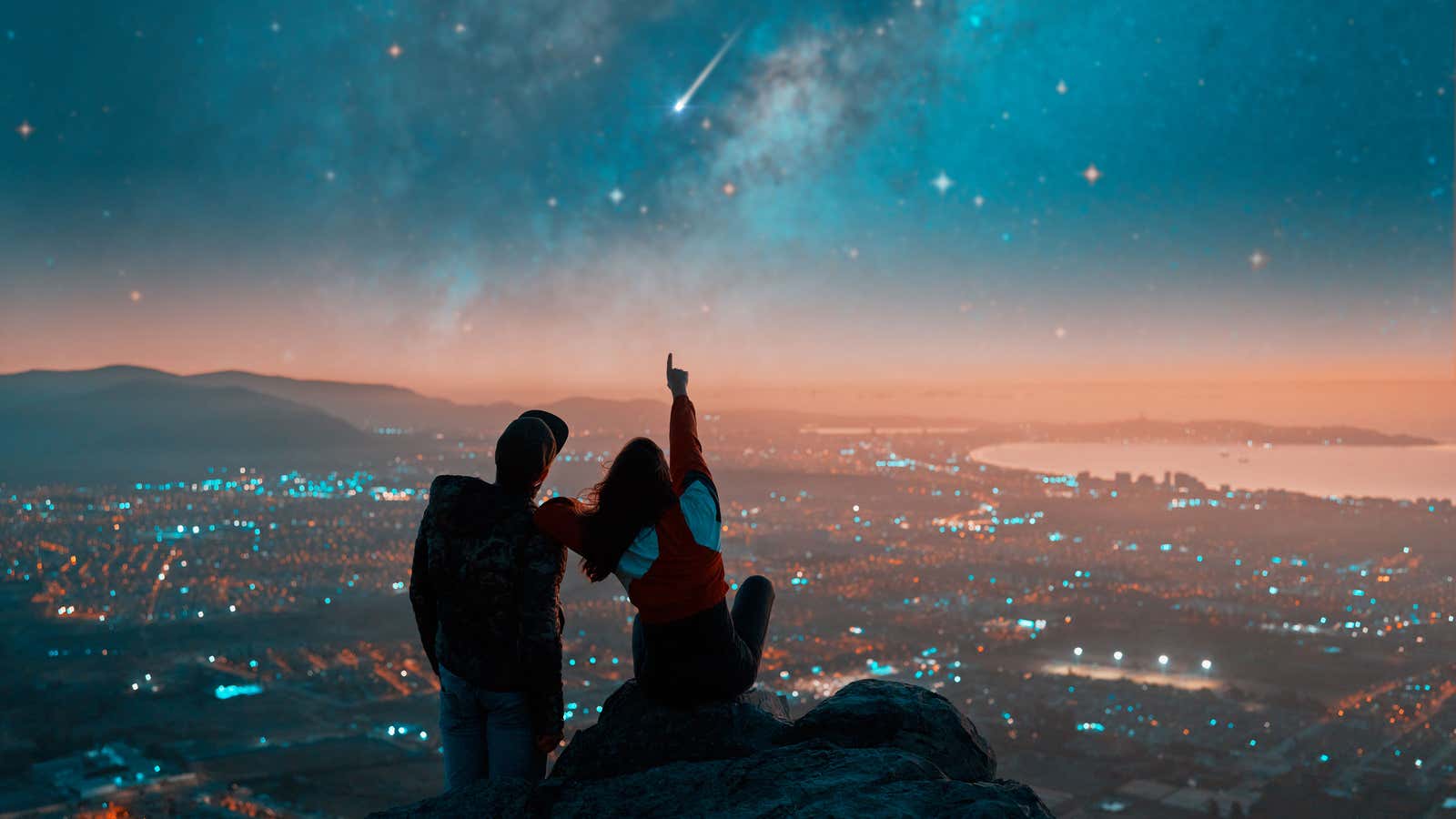
Tips for stargazing when the city sky won't go dark
7 days ago
A few simple tricks — from light pollution maps to dark adaptation — can help you see more stars.
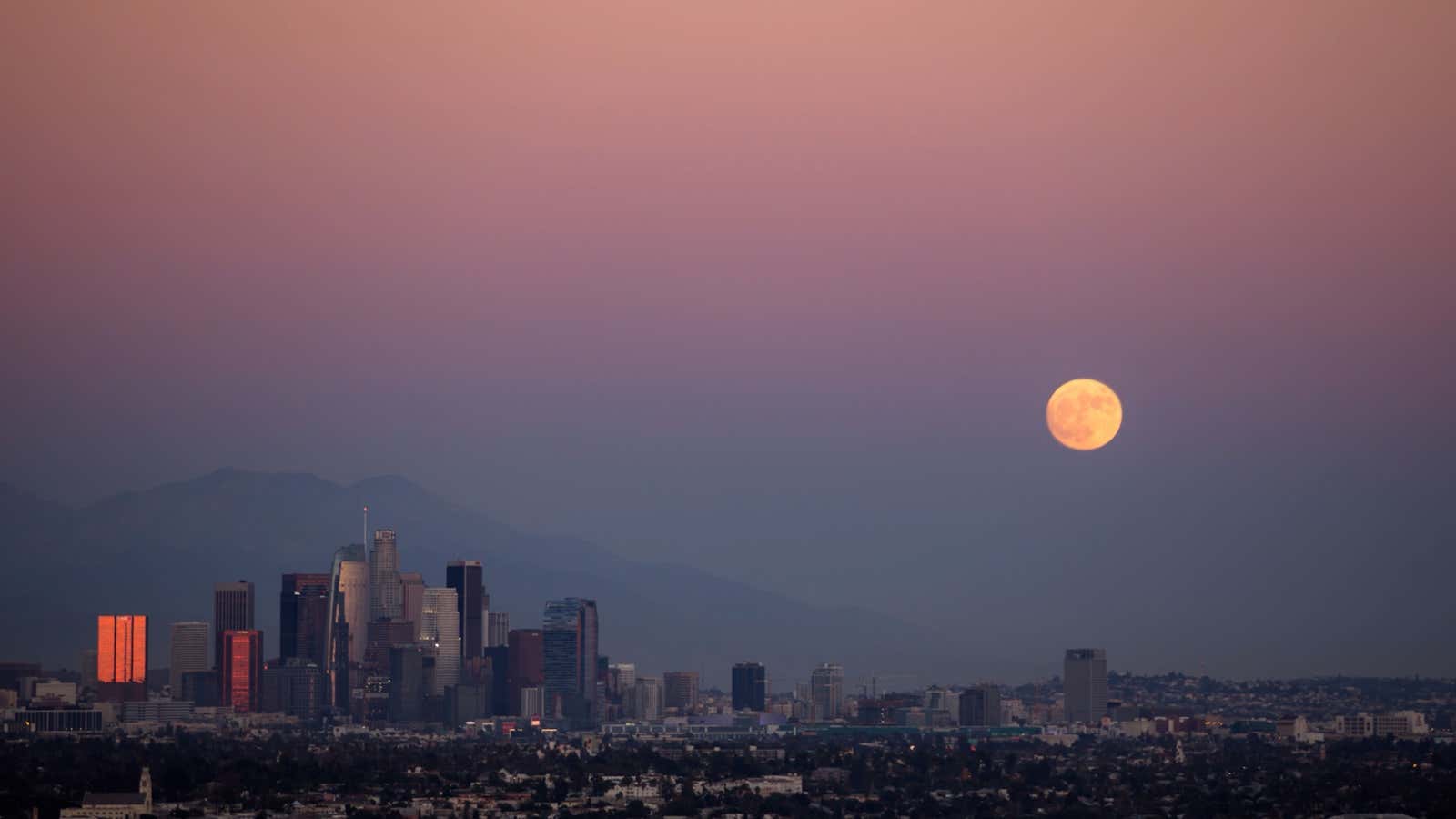
How to spot more stars in a light-polluted city sky
7 days ago
Bright city skies from streetlights and light pollution don't have to end your stargazing plans. A few simple tricks can help you see more stars. Light pollution maps, dark-adapted vision and a bit of altitude can all reveal pockets of sky invisible to the naked eye. Even a red flashlight or a pair of binoculars can make a noticeable difference.
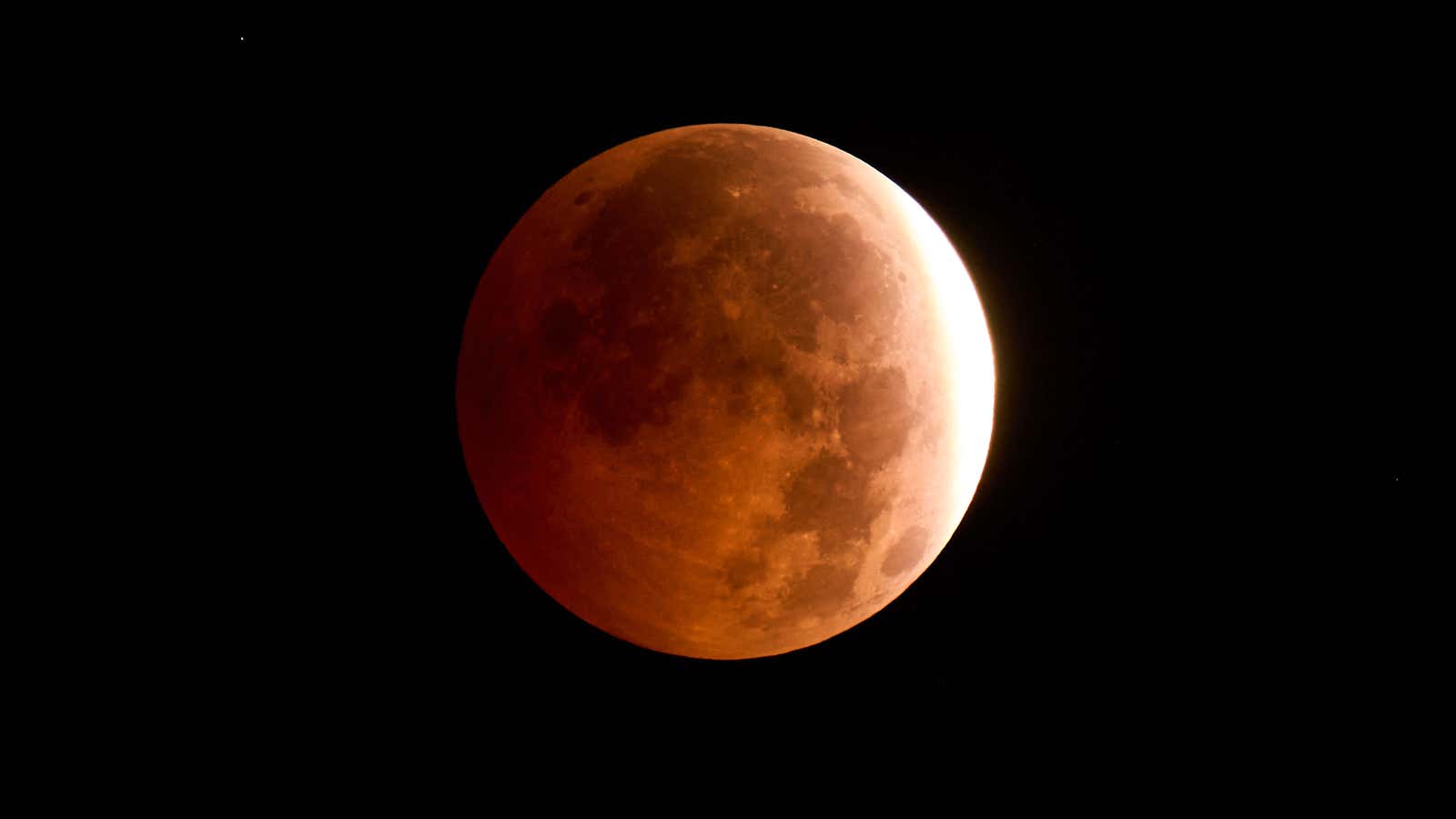
Eclipse seasons explained: Why it seems like there are so many eclipses lately
September 29, 2026, 12:27 pm EDT
Eclipses are not rare events. They follow a predictable pattern that happens about twice a year.
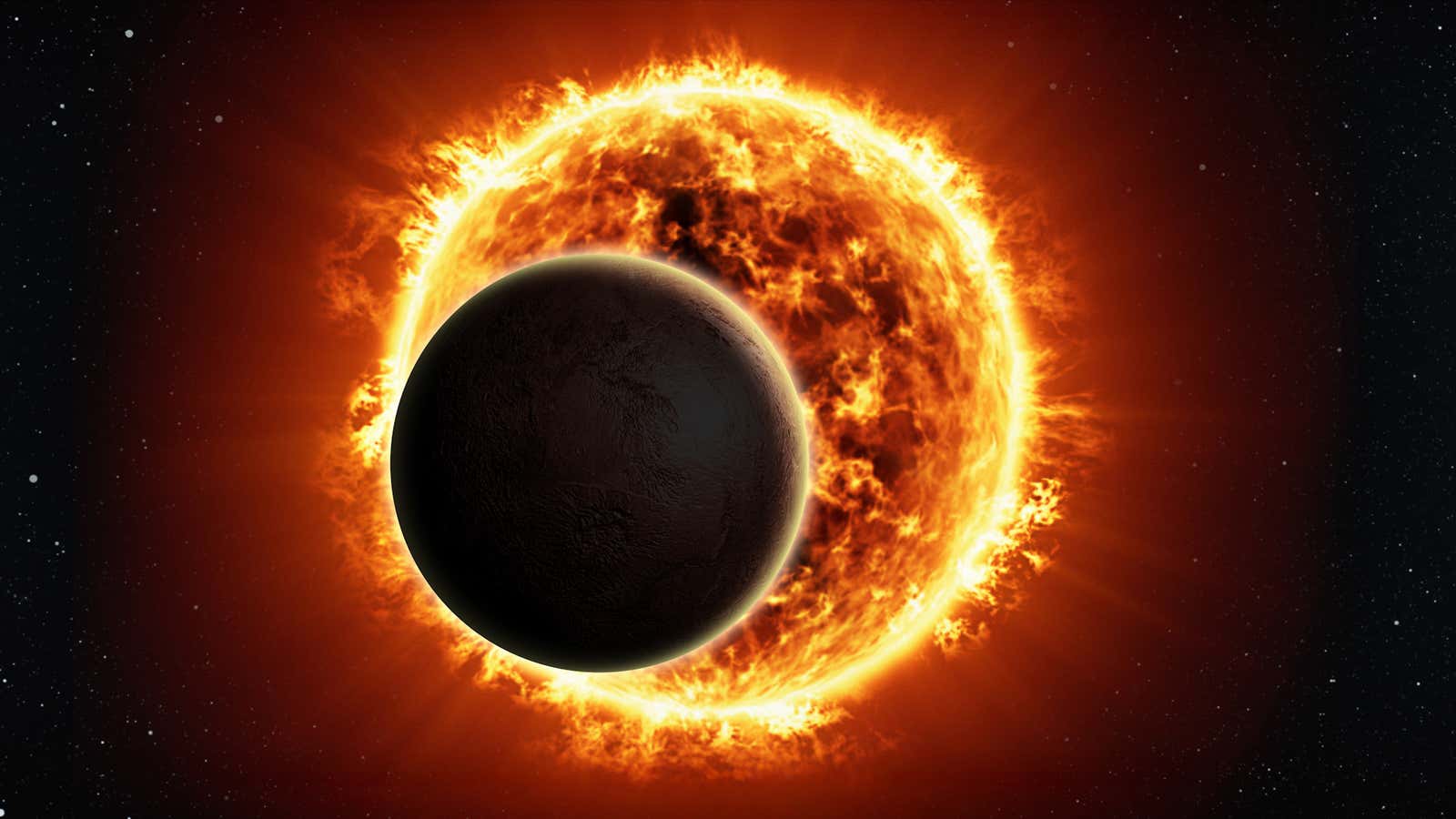
Why are there so many eclipses? It's not because they're more common
September 29, 2026, 12:26 pm EDT
It might feel like eclipses are happening more often than they used to, but the real explanation lies in a predictable pattern called eclipse season. An eclipse season is a roughly monthlong stretch that occurs about every six months and typically includes at least one solar and one lunar eclipse. The next eclipses arrive in February and August 2027, with the August solar eclipse total across southern Spain, North Africa, Saudi Arabia and Yemen.
Your odds of seeing an aurora jumped this week
September 24, 2026, 4:42 pm EDT
The fall equinox opens a roughly two-month stretch when geomagnetic storms and northern lights become more common.
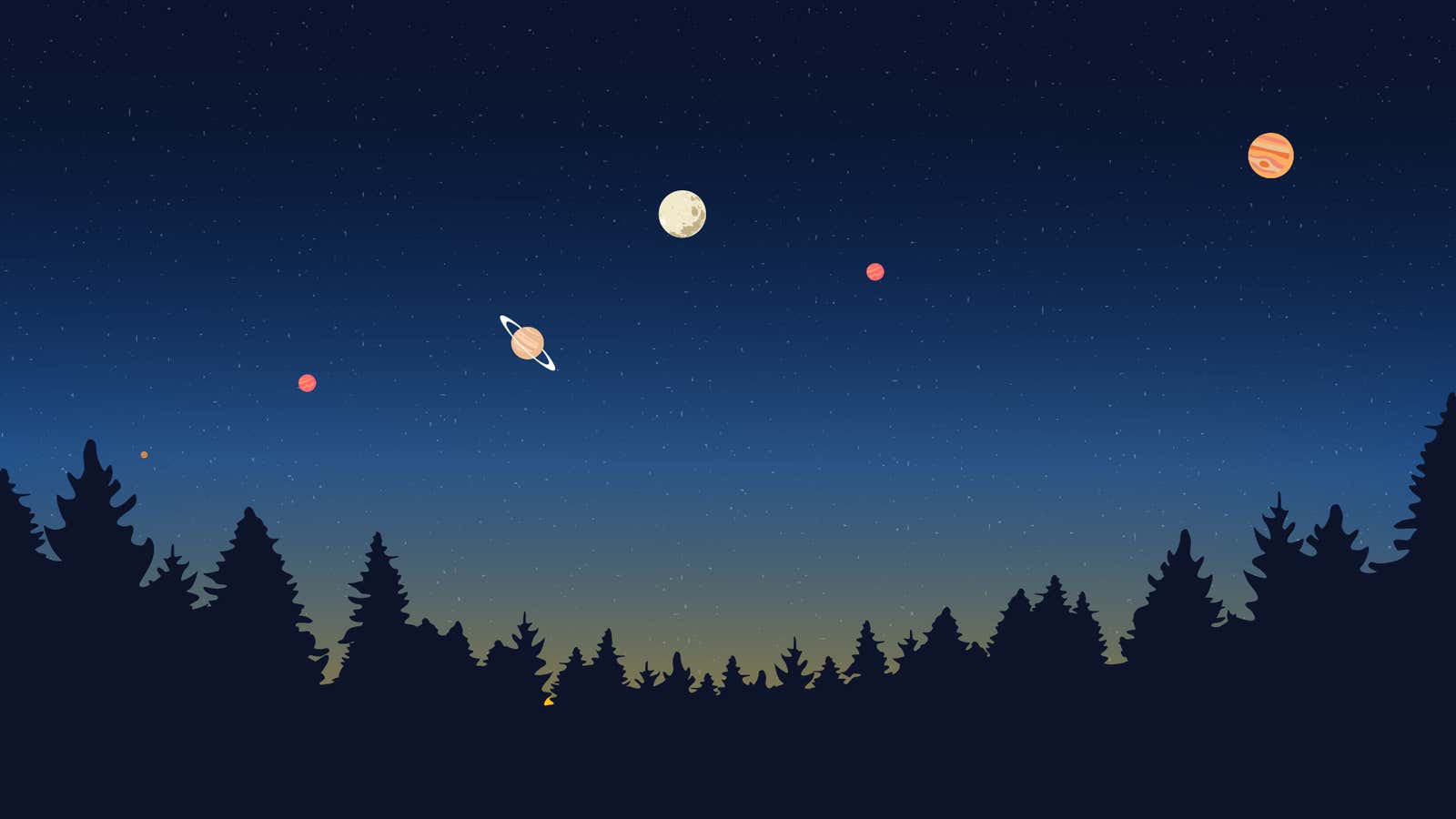
Catch 5 planets and the Harvest Moon lighting up the sky this week
September 24, 2026, 6:49 am EDT
You don't need a telescope to catch these planets light up September's sky before the Harvest Moon peaks on Sept. 26.

